Sunday, December 10, 2023

From Gut to Brain: Fecal Microbiota Transplant to Improve Neurologic Symptoms

Malek Alnajar

College of Nursing, The University of Utah

NURS 7106- Context for Advancing Science

Dr. Deanna Kepka

April 25, 2023
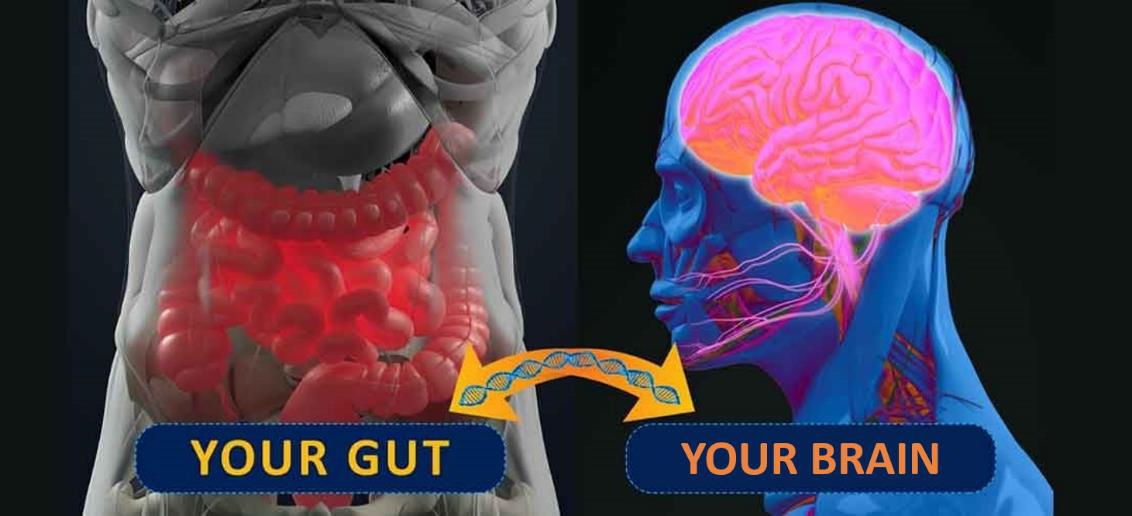


Fecal microbiome transplant (FMT) is a therapeutic strategy that relies on

transferring fecal microbiota extracted from the feces of one healthy individual donor to a diseased recipient. Transplantation is done by endoscopy, enema, or oral administration. The new bacterial populations regain the depleted flora's assumed protective and regulatory functions. In the past, FMT was commonly used to treat clostridium difficile (C. difficile) infections, commonly affecting individuals on long-term antibiotic therapies that may drain the normal flora of the intestines. Recently, emerging evidence is proving the effectiveness of FMT in improving neurologic symptoms and thus slowing the disease progression.


Microbiota in the Human Body


The human microbiome, often called the virtual organ, is the collection of bacteria

that colonizes the human body. This microbiota is believed to be introduced to the body for

the first time during the early stages of life, either before or during delivery through contact with maternal microbial colonization, and then proliferates and diverse to resemble that found in an adult body within the first 2.5 years of life. The microbiota has a vital role in the body's developmental, nutritional, and immunological functions, thus highly affecting health and disease status.

The gastrointestinal tract (GIT) harbors the most microbiota in the human body. The gut microbiota has a significant role in developing different body systems, including the central nervous system (CNS) and the autonomic nervous system (ANS), where its genetic material aids in regulating brain development and function. This works through the gut-brain

axis (GBA). GBA is a two-way signalling system between the gut and the brain that uses


endocrine, neural, and immune regulators for communication.


Microbiota varies from one individual to another depending on many factors, such as diet, age, genetics, metabolism, geography, antibiotic treatment, illness, stress, and even mode of delivery. These factors interact with the gut altering its function in regulating body mechanisms, including brain function. Changes in microbiota status directly change different neurologic symptoms such as anxiety, stress, and other behavioral and mood disorders.

Microbiota and Neurologic Symptoms


Different literature proved the relationship between the gut microbiome function and neurologic symptoms of multiple neurodegenerative disorders such as irritable bowel syndrome (IBS), Multiple sclerosis (MS), Alzheimer’s disease (AD), and Parkinson's disease (PD). Neurodegenerative disorders are varied and directly affect the daily functioning of affected patients. These disorders underly a varied spectrum of symptoms, such as abdominal pain, irregular defecation patterns, abdominal distension and discomfort, stiffness, bradykinesia, and tremors. Since these are noncurative disorders, symptom management is a

priority. Different modalities have been used to control these symptoms for years; pharmacologic (e.g., probiotics, antibiotics, dopamine replacement, etc.) and non- pharmacologic (e.g., exercise therapy, dietary modifications, etc.) interventions have proved their effectiveness in providing symptom control. However, using these modalities is associated with potential risks and leads to undesired side effects, as well as the social stigma associated with psychiatric medication use. In light of these circumstances, the need to find new management is urgent to improve the health outcomes of these patients. FMT significantly enhances the daily functioning of affected individuals as it improves the function of the GBA and decreases restrictive uncomfortable symptoms in the short term.

Effectiveness of FMT in Managing Neurologic Symptoms:


FMT has proved to have better curative outcomes in treating gut infections than antibiotics for years now without any reported adverse effects. Recently, a case report of a MS patient reported over ten years of stability in neurologic symptoms after a FMT that was used for constipation. Others suggested that FMT has stopped the disease progression and led to some impairment in the neurons that were not seen with previous interventions. For patients with IBS, previous therapies did not offer satisfactory outcomes in the long run, while FMT showed positive outcomes for more than 25 weeks. FMT has also demonstrated a vast alteration in the microbiome for patients with PD than that seen with antibiotics or probiotics. Such progress was a lack in previous treatments and did not last as long as the results of FMT did (almost six months). On the other hand, some clinical studies reported a relapse in these neurologic symptoms in the long term (more than 12 weeks of transplant) among patients with IBS.

Challenges with FMT are related to the reported adverse events associated with the treatment. Short-term events such as bloating, abdominal pain, fluctuation in bowel habits,

fever, nausea, and belching are considered acceptable compared to the benefits gained with the treatment. Long-term adverse events reflected increased disease vulnerability that is triggered by the donor microbiome, reports of obesity and immune-mediated disorders like thrombocytopenia, rheumatoid arthritis, and inflammatory bowel syndrome were recorded. The risk of transmitting infection and developing a new infectious disease within one to six months of the transplant was also highlighted. Aspiration pneumonia was mentioned as an adverse event associated with the route of treatment delivery. The risk is established with the upper gastrointestinal route through nasoduodenal or nasojejunal routes.

To overcome these challenges, cautious donor selection and microbiome screening are explicitly required for multi-drug resistant organisms. Much theoretical research supports

using FMT to manage neurologic symptoms, but clinical trials among human subjects are still limited. More research in this area is needed to better understand its effectiveness, safety, and mechanism of action.

Future of FMT:


Based on the massive effect of microbiota on human health status, it is consistently investigated for future therapeutic directions to manage a wide variety of conditions like, cancer, metabolic syndrome, liver and pancreatic disease, and autism spectrum disorders, among many others. FMT currently focuses on clinical research and is expected to show promising results and applications.

Here is a recommended video to watch: https://www.youtube.com/watch?v=C9bYKd_Ffgc


References


American Psychiatric Association. (2013). Depressive disorders and anxiety disorders. In: Diagnostic and statistical manual of mental disorders. 5th ed. Philadelphia: American Psychiatric Association. p. 93–128.

Chinna Meyyappan, A., Forth, E., Wallace, C. J., & Milev, R. (2020). Effect of fecal microbiota transplant on symptoms of psychiatric disorders: a systematic review. BMC psychiatry, 20(1), 1-19.

Cryan, J. F., & Dinan, T. G. (2012). Mind-altering microorganisms: the impact of the gut microbiota on brain and behaviour. Nature reviews neuroscience, 13(10), 701-712.

Cussotto, S., Clarke, G., Dinan, T. G., & Cryan, J. F. (2019). Psychotropics and the microbiome: a chamber of secrets…. Psychopharmacology236, 1411-1432.

Dash, S., Clarke, G., Berk, M., & Jacka, F. N. (2015). The gut microbiome and diet in psychiatry: focus on depression. Current opinion in psychiatry28(1), 1-6.

Foster, J. A., & Neufeld, K. A. M. (2013). Gut–brain axis: how the microbiome influences anxiety and depression. Trends in neurosciences36(5), 305-312.

Huang, H., Xu, H., Luo, Q., He, J., Li, M., Chen, H., ... & Zhou, Y. (2019). Fecal microbiota transplantation to treat Parkinson's disease with constipation: a case

report. Medicine98(26).


Makkawi, S., Camara-Lemarroy, C., & Metz, L. (2018). Fecal microbiota transplantation associated with 10 years of stability in a patient with SPMS. Neurology- Neuroimmunology Neuroinflammation, 5(4).

Matheson, J. A. T., & Holsinger, R. D. (2023). The role of fecal microbiota transplantation in the treatment of neurodegenerative diseases: A review. International Journal of Molecular Sciences, 24(2), 1001..

Mazzawi, T., Lied, G. A., Sangnes, D. A., El-Salhy, M., Hov, J. R., Gilja, O. H., ... & Hausken, T. (2018). The kinetics of gut microbial community composition in patients with irritable bowel syndrome following fecal microbiota transplantation. PloS

one13(11), e0194904.

Park, S. Y., & Seo, G. S. (2021). Fecal microbiota transplantation: is it safe?. Clinical Endoscopy54(2), 157-160.

Tkach, S., Dorofeyev, A., Kuzenko, I., Boyko, N., Falalyeyeva, T., Boccuto, L., ... & Abenavoli, L. (2022). Current status and future therapeutic options for fecal microbiota transplantation. Medicina58(1), 84.

Wednesday, May 10, 2023

Machine Learning: Answers to Aged-old Problems or New-Aged bust?

Machine learning (ML) is a technique garnering increasing popularity given its base within technology and promise of addressing complex issues. This popularity is apparent when reviewing publications over the previous 30 years. For example, in 1985, one can find four publications in PubMed. Over the last two years, the number of publications addressing ML has increased to over eighteen thousand (see Figure 1).


Figure 1


Introduction to AI and Machine Learning

Choi and colleagues (2020) describe one of the earliest propositions of machine learning in 1956. At that time, computer scientists thought that humans would have, at some point, the ability to mimic the intellectual tasks only previously described in humans. Artificial intelligence (AI) is a term commonly used when describing machine learning but is limited to simple issues with pre- defined factors (Choi et al., 2020). Machine learning falls within a deeper level of AI, using

high-level pattern recognition for prediction and identification. The focus of ML is the development and utilization of algorithms from a data set and can fall within four methods. These ML methods include unsupervised, supervised, semi-supervised, and reinforcement learning.


Supervised learning takes pre-identified factors to identify patterns within a training data set. Like when you ask a child the color of various objects, supervised learning algorithms take in large amounts of data to predict an outcome (Choi et al., 2020). As the number of input increases, the algorithm hopefully becomes more precise. This developed algorithm continues to learn with a validation data set, identifying the relationship between a feature (e.g., red) and target (e.g., apple). After the model has learned the association, evaluation occurs with a test data set to determine how well it can predict the feature and outcome.


Unsupervised learning identifies patterns within a dataset without any assistance from humans. An example of this is clustering which categorizes instances into groups based on features (Choi et al., 2020). Semi-supervised learning is a combination of supervised and unsupervised; most helpful in

circumstances where imaging is involved (Choi et al., 2020)


The final category of machine learning is reinforcement learning, in which the model is allowed to learn and "play" to reach an outcome. Its application in healthcare and research is limited but appears the closest to the human mind and has the potential greatly influence the future (Choi et al., 2020).


Machine learning is tackling large problems…


One of the advantages of machine learning is the sheer number of data points that computer scientists and bioinformaticists can evaluate quickly. However, the human mind is not only limited by a storage capacity but can be influenced by bias as well. For example, there can remember an argument between two brothers during childhood very differently years later. As humans, we are constantly evaluating data coming in and influencing it with values.


Many issues the human society face is due to a large number of factors at play and the limitation of the human mind. As we (humans) have made more discoveries, more questions arise. We discovered DNA and mapped the human genome, but that is only the start. As the problems become more complicated, the limitations of the human mind become more apparent. This does not mean that the human mind is obsolete and that AI is the answer; it just means we need to supplement our knowledge with this new tool.


For example, since scientists first mapped the human genome, laboratories worldwide have painstakingly worked to identify the proteins coded by the genome and their structure.

Determining how a protein is structured (or folded) can assist in identifying new diseases, treating rare conditions, creating enzymes to break down plastics, and generating new hypotheses. Many methods and hours of work from many people have yielded more than 100,000 human protein structures (Jumper et al., 2021). However, there are still billions of known protein sequences without known structures despite these efforts. AlphaFold is an AI system created by Deepmind that reviewed the structure and sequence of over 100,000 proteins. AlphaFold (embedded link: https://www.deepmind.com/research/highlighted-research/alphafold) uses an approach called a neural network-based model (similar to that of the human brain) to

predict with atomic accuracy the structure of proteins (extensively outperforming many of the commonly used methods) (Jumper et al., 2021). The potential of this one AI system far outstretches what we can even begin to conceive.


Limitations

The basis of ML and AI is the utilization of large datasets. However, this basis is limited in instances of rare diseases as it will take some time to generate a large enough data set for ML application (Choi et al., 2020). Additionally, DL is not immune to bias. As humans input the pre- defined factors (in supervised learning) and evaluate the output, bias is possible. The data itself is also subject to poor quality or error.


Overall, the use of ML and AI within research and medicine will continue to grow. Machine learning has the potential to change how we approach research, hypothesize questions, and even interact with patients. This offers much promise and excitement but caution as well.


Jace Johnny Ph.D. Student

University of Utah College of Nursing

References

Choi, R. Y., Coyner, A. S., Kalpathy-Cramer, J., Chiang, M. F., & Campbell, J. P. (2020). Introduction to Machine Learning, Neural Networks, and Deep Learning. Translational vision science & technology, 9(2), 14. https://doi.org/10.1167/tvst.9.2.14

Jumper, J., Evans, R., Pritzel, A., Green, T., Figurnov, M., Ronneberger, O., Tunyasuvunakool, K., Bates, R., Žídek, A., Potapenko, A., Bridgland, A., Meyer, C., Kohl, S. A. A., Ballard, A. J., Cowie, A., Romera-Paredes, B., Nikolov, S., Jain, R., Adler, J., … Hassabis, D.. (2021). Highly accurate protein structure prediction with AlphaFold. Nature, 596(7873), 583–589. https://doi.org/10.1038/s41586-021-03819-2

Tunyasuvunakool, K., Adler, J., Wu, Z., Green, T., Zielinski, M., Žídek, A., Bridgland, A., Cowie, A., Meyer, C., Laydon, A., Velankar, S., Kleywegt, G. J., Bateman, A., Evans, R., Pritzel, A., Figurnov, M., Ronneberger, O., Bates, R., Kohl, S. A. A., … Hassabis, D.. (2021). Highly accurate protein structure prediction for the human proteome. Nature, 596(7873), 590–

596. https://doi.org/10.1038/s41586-021-03828-1

Your Home Your Health

What is telehealth and why should we continue to expand its use and accessibility


Paradigm Shift

A large portion of health care, particularly specialized care is centered around urban areas. Most patients live in on the edge of urban areas and have difficulty travelling to medical appointments. Proposed over 40 years ago in order to reach patients for follow up, telemedicine Telehealth means being able to access healthcare remotely, through a variety of telecommunications ie a phone call, a video conference, interface of self-monitoring devices

The COVID pandemic and associated emergency authorizations put in place brought telemedicine to the forefront. Emergency waivers allowed CMS payment for telehealth across state lines. This is very important for many underserved areas in our country. As an example, Salt Lake City, Utah has a plethora of specialized medical care for catchment area which includes four other states. Prior to emergency waiver, patients who live out of Utah would have to travel to see a specialized practitioner who is licensed in Utah. As you can imagine there is great cost and productivity loss for patients and their care givers.


Technological Revolution

The COVID pandemic not only forced the hand of payors but also accelerated access and utilization of telehealth by all large health care institutions. What was otherwise being slowly adapted became immediately adapted as organizations recognized the shift needed to take care of patients at home.


Who is innovating

One such example is from Geisinger Health Care in Pennsylvania. The Chief Innovation Officer, Karen Murphy, PhD, RN, spoke to Becker’s Health Care News about a new program, ConnectedCare365 (Adams, 2021). ConnectedCare365 revolutionized the traditional chronic disease model, which included case managers following up over the phone or in person. The new system includes consistent monitoring and contact through a communication platform. With this platform, patients can report their systems; parts of vital signs are automatically input with specific devices. The system allows providers to triage patients based on generated data.

There are many potential advantages to an application such as ConnectedCare365. It improves access and data collection. Since it includes patient-reported outcomes, there can be symptom management. Taking care of chronic disease patients from home decreases local health systems, likely leading to less emergency department utilization and led hospitalization. All of these components improve financial toxicities associated with chronic illness.


Policy Plays

Many of the emergency waivers for re-imbursement have ended, which is a good sign because it means COVID is now viewed as endemic instead of pandemic. This may not affect patients and health providers within the same state as much as those who live in different states but the loss of reimbursement structure rolls downhill and has already changed the way most telehealth is done- in that it is not as frequent. In order to better understand the implications please visit:

https://telehealth.org/


This acceleration of policy that allows telehealth is critical to how health care teams follow chronic disease patients. It behooves health care organizations and the federal government to continue telehealth services and access for patients.


References:


Adams, K. (2021). 10 Execs share their systems’ best innovation projects. Beckers Hospital Review. https://www.beckershospitalreview.com/digital-transformation/10-execs-share-their-systems-best-innovation-projects-in-2021.html

Paradigm Shift: Symptom Management vs Preventative Care in Diabetes Mellites

Symptom Management Perspective

Preventative Care Perspective

Pathogenic View-Disease Oriented

19th Century-Clinic and Hospital Surveillance

  • Prognostic sign-what will happen
  • Anamnestic sign-what has happened
  • Diagnostic sign-what is taking place now 

Patients views and opinions set aside. Responsibility was on MD exclusively. Body and Mind Separate

Salutogenic View-Health Oriented

Focus-producing theories of health based on more holistic approaches and methods. Well-being rather than disease pathogenesis.

  • Positive Health-predictability, sense of having control over one’s own affairs and value or importance attached to things or other people. – active or rich life experiences by oneself.
  • Life-Course Perspective-focus on different stages of life. Different life conditions (housing, nutrition, access to education or healthcare) impact health later in life. Includes Social Capital developed over the life span.
  • Health as Adaptedness-As people age, they compensate for problems


Common Complications in Diabetes Patients


Shifting to Prevention

Building a Diabetes Self-Management Education and Support Program Center for Disease Control and Prevention (CDC)

DSMES Toolkit


Preventative Care in Diabetes Mellites in both Type 1 & Type 2 is essential in supporting the long-term health of individuals living with diabetes.


The CDC has an excellent toolkit to help providers and diabetes educators to create an evidenced based patient and care partner self-management and support program to improve individuals’ ability to work on individual prevention of complications related to diabetes.


From the CDC DSMES Toolkit Website: DSMES has been shown to improve health outcomes.

In the United States, less than 5% of Medicare beneficiaries with diabetes and 6.8% of privately insured people with diagnosed diabetes have used DSMES services. (Strawbridge LM, et al. 2015)

The purpose of this toolkit is to increase use of DSMES services among people with diabetes and promote healthcare provider referrals. Expanded use of DSMES can help ensure that all people with diabetes receive the support they need. The toolkit provides resources and tools in one place to assist with the development, promotion, implementation, and sustainability of DSMES services (Strawbridge LM, et al. 2015)


What to Include in a Diabetes Self-Management Education and Support Program

  1. General information about diabetes
  2. Pathophysiology
  3. Medications
  4. Use of devices
    1. Insulin Pump
    2. Blood Glucose Monitoring Tools- Continuous Glucose Monitor
    3. Insulin Pens
    4. Diabetes Management Apps
  5. Lifestyle
    1. Nutrition
    2. Exercise/Movement
    3. Mindfulness
    4. Meal Preparations
  6. Support
    1. Medical
    2. Family/Care partners
  7. Prevention of Complications


Diabetes Education Program at the University of Utah

Inclusion of Family and Care partner support in Diabetes Self-Management Education and Support Programs


Intensive Diabetes Education and Support (IDEAS)


Diabetes Self-Management Education and Support Programs (DSMES) are designed for both patients and their care partners. Demographics of those who attended two different DSMES programs in 2019-2021 was examined. Surprisingly, attendance of a care partner was higher in the eight-hour program than in the 4-hour program. Understanding the reasons for the difference in care partner attendance is important to review in the future.


Family and Care partner Support


References


Centers for Disease Control and Prevention. (2021, August 10). Diabetes self-management education and support (DSMES) toolkit . Centers for Disease Control and Prevention. Retrieved April 26, 2022, from https://www.cdc.gov/diabetes/dsmes-toolkit/index.html


Strawbridge LM, Lloyd JT, Meadow A, Riley GF, Howell BL. Use of Medicare’s Diabetes Self- Management Training Benefit. Health Educ Behav. 2015;42(4):530-538.


Strawbridge LM, Lloyd JT, Meadow A, Riley GF, Howell BL. One-Year Outcomes of Diabetes Self- Management Training Among Medicare Beneficiaries Newly Diagnosed With

Diabetes. Med Care. 2017;55(4):391-397..


Tuesday, May 10, 2022

Too Cool for the NICU


By: Dr. Marietta Sperry, DNP, MSN, RNC-IBCLC, IBCLC


When your baby is born early,
but too good for the NICU...


"Do all babies born early need to go to the NICU?"

Some babies born between 34-37 weeks might need to go to the neonatal intensive care unit (NICU) after birth, but not all do! Many now can be cared for with mom in the regular Mother/Baby unit.

Some “transition” to life outside the womb good enough to be with you in the regular mother-baby unit. Even though they are early, and their counterparts might need a few days or even weeks before they are ready to go home, your baby may not need to go to the NICU.1,2


"Great Pretenders"

Some babies born too early may look just like a full-term baby (born between 38-40+ weeks), but do not always act like them. They may look like they are eating well and are making great efforts. However they may lack the strength to feed well or sleep too much, which could result in weight loss. They might still have breathing problems such as not knowing how to such, swallow, and breathe in a coordinated way. Sometimes they may even get jaundiced (yellow skin) because they are not eating enough. Some of these might happen after you go home. Some may be readmitted for problems that are continuing


Characteristics of Late Preterm/Early Term Infants3


"So what should I do if my baby is born early and too good for the NICU?"

Some things you can do5:

  1. Follow up- Check with your pediatrician at regular intervals to make sure your baby is gaining weight adequately after discharge. Notify them if something just doesn’t feel right! Typically you may be asked to return to your pediatrician within 1-2 days after discharge.
  2. Don’t let your baby sleep too long, even while still in the hospital. The old adage about never waking a sleeping baby does not apply to babies born too early! Newborns should eat 8-12 times in 24 hours. Wake them up to eat if they are sleeping longer than 3-4 hours. Ask for guidance on a feeding plan tailored to your baby.
  3. Follow Safe Sleep Guidelines
    https://www.nichd.nih.gov/sites/default/files/publications/pubs/Documents/NICHD_Safe_to_Sleep_brochure.pdf
  4. Review with your provider the signs of adequate intake: 8-10 wet diapers a day and 2 poops a day by the end of their 1st week. Their pee should be pale yellow and not dark or concentrated.
  5. Ask questions-“Is there anything else I should know?” to your healthcare provider before hospital discharge with your "too cool to go to NICU? baby.


Want more info about early or late pre-term infants?

Follow the links below for more resources.

For more about late preterm (babies born between 34-36 weeks, and early term infants (babies born between 37-38 6/7) see the following:

"What Parents of Late Preterm (Near-Term) Infants Need to know"
https://my.awhonn.org/productdetails?id=a1B2E000008LOXeUAO

Brigham and Women’s Hospital Letter for parents of babies born between 35-37 weeks
https://www.brighamandwomens.org/assets/BWH/pediatric-newborn-medicine/pdfs/caring-for-late-preterm-infant-letter-inf-bwh-hms.pdf

Late Preterm Infants Brochure-CHI health
https://www.chihealth.com/content/dam/chi-health/website/documents/continuinged/LatePretermInfantsBrochure.pdf

Or check out these videos!

March of Dimes-Developmental milestones for premature babies
https://youtu.be/k-MrCxDLAZo

For more in-depth information geared towards healthcare providers see
Dr. Valencia Walker, MD. Late Preterm Infants
https://youtu.be/G-OlH9PfTxA


Marietta Sperry, DNP, MSN, RNC-MNN, IBCLC


Dr. Sperry is a nurse with a Doctor of Nursing Practice degree. She has over 40 years of experience in Maternal-Newborn nursing with a National Certification. She is an International Board-Certified Lactation Consultant. She obtained her DNP and Master of Nursing Education degrees from Indiana State University and is currently pursuing a Ph.D. in Nursing at the University of Utah. Her passion is improving outcomes for the Maternal Newborn population. She loves spending her spare time with her grandchildren.


References

  1. Engle, W. A., Tomashek, K. M., & Wallman, C. (2007). “Late-preterm” infants: A population at risk. Pediatrics, 120(6), 1390–1401. https://doi.org/10.1542/peds.2007-2952
  2. Mefford, L. C., & Alligood, M. R. (2011). Evaluating nurse staffing patterns and neonatal intensive care unit outcomes using Levine’s conservation model of nursing. Journal of Nursing Management, 19(8), 998–1011. https://doi.org/10.1111/j.1365- 2834.2011.01319.x
  3. Young, P. C., Korgenski, K., & Buchi, K. F. (2013). Early readmission of newborns in a large health care system. Pediatrics, 131(5), e1538–e1544. https://doi.org/10.1542/peds.2012-2634
  4. Brigham and Women's Hospital. (2016). Caring for late preterm infant [PDF]. Women's and Brigham's Hospital. https://www.brighamandwomens.org/assets/BWH/pediatric-newborn- medicine/pdfs/caring-for-late-preterm-infant-letter-inf-bwh-hms.pdf
  5. Cox, Wendy-Author’s photos https://www.wendycoxphotography.com/#MTop

Thursday, April 28, 2022

A Vision for Change: Revealing the Impact on Social Determinants and Overall Health

 Katie Feldner

College of Nursing PhD Student

University of Utah


 Social Determinants of Health

There is a shift in acknowledging social determinants and how they influence overall health. Social determinants of health (SDOH) reflect the environment and conditions in which people are born, live and die. Determinants can have positive or negative consequences depending on the forces which have shaped one’s daily life (Healthy People 2030).

 In context, SDOH are influenced by income and occupation, lifestyle, social behavior, community characteristics, housing and neighborhoods, discrimination and inequality, and economic situations, which are defined as determinants, social factors or needs. These factors once regarded as a secondary affliction to negative health outcomes are now being recognized as primary causative factors of chronic illnesses (Cockerham et al. , 2017).

The History of Social Factors and Health

Social factors that affect health outcomes can be linked all the way back to the 14th century with the black plague. The black plague was a global epidemic caused by Yersinia Pestis; bacterium that was transmitted from rodents to humans. The epidemic killed over 25 million people in Asia and Europe and those of lowest socioeconomic status were predominantly affected (Cockerham et al., , 2017). Social factors, however, are not limited to infectious disease. Cardiovascular, diabetes, stroke, cancer, kidney, and pulmonary diseases serve as direct causes of chronic diseases influenced by “ More than 21-chronic diseases, 12 types of cancer, six types of cardiovascular disease, diabetes, and obstructive pulmonary disease (Cockerham et al., , 2017, p. 2, para 2). The use of tobacco products for example, has been correlated with social influence. A person who spends time with family, friends, or a spouse who actively smokes is more likely to adopt this behavior.

Western Medicine “The Quick Fix”

Traditionally, the U.S. health care system has focused on treating an illness caused by a specific disease, not the person. This is also known as the “quick fix”.  While treating an acute illness is important, adopting a holistic approach requires a different mindset. It requires clinicians to get to know their patients environmental, social, cultural, circumstances and to think about how this contributes to their overall well-being (Grubin, 2015).

Clinicians as Catalysts for Change

Clinicians play an active role in addressing SODH because they are at the frontlines of health care and important catalysts for change. They are well-positioned to support their patients in dealing with social needs and “ To raise awareness of the human cost and suffering as a result of  poverty, discrimination, violence and social exclusion. To advocate for better living conditions, reduce health inequities, and increase awareness in systems to care for those in need” (Andermann, 2016, p.4 para 6).

Addressing Social Factors

Social needs should be approached in a compassionate and caring way. Evidence suggests patients are more forthcoming about their concerns when therapeutic communication is utilized. A trusting relationship yields a more accurate diagnosis and timely interventions. Once a social need diagnosis is made it is imperative to connect the patient with supportive resources beyond the health care system (Andermann, 2016).

Addressing SODH is also a collaborative effort with communities. Public health sectors are aware resources available in the community and can aid in facilitating community based interventions. Clinical– community relationships foster relationships that can have meaningful outcomes for people with social needs (e.g., offering low-cost daycare and early childhood education opportunities, introducing violence prevention programs in schools, increasing the number of parks and green spaces, banning soda-vending machines, creating bicycle lanes or introducing farmer’s markets to combat food deserts). The earlier clinicians engage in a partnership with public health, the more impactful health promotion and disease prevention are (Andermann, 2016).  

Current Barriers and Potential Facilitators

Barriers

Facilitators

Patient Discrimination

Identify a safe space for communication Establish trust

Foster a therapeutic relationship

Avoid Bias

Adopting a holistic approach to health care

Adopt cultural inclusivity

Role model positive behavior

Time

Empower systems to consider active vs. reactive approaches to health

Anticipatory care is central to disease prevention

Deficient Knowledge in Resources

Become an active member in community

Partner with Public Health officials

Obtain a list of resources for referrals

Advocate for ongoing training

Resistance

Influence Policy Change

Be an Activist


References:

Andermann, A., & CLEAR Collaboration (2016). Taking action on the social determinants of health in clinical practice: a framework for health professionals. CMAJ : Canadian Medical Association journal = journal de l'Association medicale canadienne188(17-18), E474–E483. https://doi.org/10.1503/cmaj.160177

 Grubin, D. (2015). Defining Challenges: How Disease-Based, Doctor-Centered Medicine Is Failing Us. Retrieved on April 25th, 2022, from: https://rxfilm.org/problems/how-diseased-based-doctor-centered-medicine-is-failing-us/

Cockerham, W. C., Hamby, B. W., & Oates, G. R. (2017). The Social Determinants of Chronic Disease. American journal of preventive medicine, 52(1S1), S5–S12. https://doi.org/10.1016/j.amepre.2016.09.010

Healthy People 2030, U.S. Department of Health and Human Services, Office of Disease Prevention and Health Promotion. Retrieved on March 31, 2022, from https://health.gov/healthypeople/objectives-and-data/social-determinants-health


Wednesday, April 27, 2022

Impact of COVID 19 on the delivery of palliative care for cancer patients

 Nemeh Manasrah 

PhD Student, College of Nursing 


         World Health Organization (WHO) defines palliative care (PC) as "an approach that 

improves the quality of life of patients (adults and children) and their families who are facing 

problems associated with a life-threatening illness." Its goal is to decrease and minimize the 

physical, social, and spiritual suffering associated with cancer disease signs and symptoms (1),

the WHO perceives palliative care as fundamental to human rights and as an essential aspect 

of public health. 

        The pandemic of COVID-19 brought severe suffering that negatively affected well-resourced 

countries and low-income countries, causing much harm to families, communities, 

and economic situation (2). It affected health care organizations all over the world. Low-income 

countries have a heavy load in controlling the health situation, delivering different 

health care services in a fragile health care system, decreasing readiness for the outbreak of 

the disease, shortage of medical technology, and decreased commitment to the rules and 

regulations for infection prevention protocols. (2)

         COVID-19 patients are expected to have limited access to health care services delivered at 

hospitals and to receive family care at home, with the shortage of personal protective 

equipment and decreased training. (3). The number of patients and access to health services 

providing interdisciplinary and person-centered care has decreased because of the spread of 

COVID-19. Equity issues arise in cancer patient care. (6)

         The number of patients who came to health centers for diagnosis and first treatment 

decreased because of limited access to transportation and fear of getting the disease. Many 

patients refused to come to the clinic to start their scheduled treatment. It takes a long time to 

convince patients to start their treatment or to receive palliative care. (6)

        COVID-19 arises as an obstacle and decreases the family involvement at the end of life 

care. There are many limitations, including funeral arrangements and restriction of personal 

protective supplies in some healthcare settings (3). These elements affect the psychological 

aspects of patients, their families, and healthcare workers. The burnout among healthcare 

workers, mainly nurses, increased because of their closer relationship with patients. Many 

tried to cut out their relationship with families and social relationship networks to commit to 

their work requirements (1).

         According to Buntzel et al., more than 70% of cancer patients felt unstable, and 21% 

became isolated because they were afraid of the higher incidence of the spread of COVID-19 

among this group compared to other populations. (1). The number of cancer diagnosis cases 

has been affected by COVID-19 worldwide. (1) The actual number of cancer cases in 2020 

was lower in comparison to the years before the pandemic. Screening programs were 

decreased and some treatments were also delayed or modified. The priority is to follow strict 

protocols to minimize the spread of infection.

         Rules and regulations to manage the spread of COVID-19 through closures and social 

distancing raised preeminent issues for patients and health care workers as well as the 

palliative healthcare team. Patients need to be treated without coming to hospitals or 

outpatient clinics to decrease the spread of the infection, which develops a problem in 

symptom management and time of the treatment. (1)

         COVID-19 decreases the infrastructure and staffing in the cancer services. Some 

difficulties in decision-making were taken as continuous access to the operating room for 

cancer patients who need necessary operation. Delivery of palliative care is prioritized at a 

low leading to decreased symptom management and the diminished possibility of hospital 

admission.

        According to Jane et al. 2020, a toolkit was developed by a multidisciplinary team to 

manage the situation during the pandemic. Many health care programs were also developed 

to help the clinical team to have a complete consultation. (4)

         The pandemic of COVID-19 negatively impacts the delivery of palliative care for cancer 

patients by restricting hospital visits for them, decreasing end-of-life support, and isolating 

patients at the end of life. (5)

        Health care professionals faced many challenges during the pandemic of COVID-19 as to 

how to manage the patients' emotional issues and deliver quality care for dying patients and 

their families (6). They are aware, that if they don’t follow the infection control protocol 

related to COVID-19, they will pass the infection to cancer patients. Another challenge is 

decreasing health care staffing confronted by the increasing workload in the hospitals and 

other healthcare delivery clinics due to healthcare workers testing positive for COVID-19. (6)

         In general, there is a small number of patients treated by palliative care after the spread of 

the pandemic. This can be attributed to a decreased number of referrals from the primary 

clinics, a lower number of deaths in palliative care hospitals, and diminished quality of life. 

There is a need for a palliative care network to provide optimal patient care. (1)


References:
  1. Beltran-Aroca, Ruiz-Montero, R., Llergo-Muñoz, A., Rubio, L., & GirelaLópez, E. (2021). Impact of the COVID-19 Pandemic on Palliative Care in Cancer Patients in Spain. International Journal of Environmental Research and Public Health, 18(22), 11992. https://doi.org/10.3390/ijerph182211992
  2. Radbruch, Knaul, F. M., de Lima, L., de Joncheere, C., & Bhadelia, A. (2020). The key role of palliative care in response to the COVID-19 tsunami of suffering. The Lancet (British Edition), 395(10235), 1467–1469. https://doi.org/10.1016/S0140-6736(20)30964-8
  3. Spicer, Chamberlain, C., & Papa, S. (2020). Provision of cancer care during the COVID-19 pandemic. Nature Reviews. Clinical Oncology, 17(6), 329–331. https://doi.org/10.1038/s41571-020-0370-6
  4. deLima Thomas, Leiter, R. E., Abrahm, J. L., Shameklis, J. C., Kiser, S. B., Gelfand, S. L., Sciacca, K. R., Reville, B., Siegert, C. A., Zhang, H., Lai, L., Sato, R., Smith, L. N., Kamdar, M. M., Greco, L., Lee, K. A., Tulsky, J. A., & Lawton, A. J. (2020). Development of a Palliative Care Toolkit for the COVID-19 Pandemic. Journal of Pain and Symptom Management, 60(2), e22–e25. https://doi.org/10.1016/j.jpainsymman.2020.05.021
  5. Mayland, Hughes, R., Lane, S., McGlinchey, T., Donnellan, W., Bennett, K., Hanna, J., Rapa, E., Dalton, L., & Mason, S. R. (2021). Are public health measures and individualized care compatible in the face of a pandemic? A national observational study of bereaved relatives’ experiences during the COVID-19 pandemic. Palliative Medicine, 35(8), 1480–1491. https://doi.org/10.1177/02692163211019885
  6. Hanna, Rapa, E., Dalton, L. J., Hughes, R., Quarmby, L. M., McGlinchey, T., Donnellan, W. J., Bennett, K. M., Mayland, C. R., & Mason, S. R. (2021). Health and social care professionals’ experiences of providing end of life care during the COVID-19 pandemic: A qualitative study. Palliative Medicine, 35(7), 1249–1257. https://doi.org/10.1177/02692163211017808
  7. Motlagh, Yamrali, M., Azghandi, S., Azadeh, P., Vaezi, M., Ashrafi, F., Zendehdel, K., Mirzaei, H., Basi, A., Rakhsha, A., Seifi, S., Tabatabaeefar, M., Elahi, A., Pirjani, P., Moadab Shoar, L., Nadarkhani, F., Khoshabi, M., Bahar, M., Esfahani, F., … Malekzadeh, R. (2020). COVID19 Prevention & Care; A Cancer Specific Guideline. Archives of Iranian Medicine, 23(4), 255–264. https://doi.org/10.34172/aim.2020.07